IEEPA TARIFF REFUND RECOVERY FOR FOOD & BEVERAGE
You paid the tariff, even if you're not the importer.Here is how restaurants and foodservice operators recover that money.
Your distributors and equipment suppliers were the Importer of Record.
CBP's refund goes to them. We recover your share.
No retainers. No hourly billing. You pay nothing unless we recover.
The Opportunity
The downstream buyer opportunity in food & beverage procurement
Restaurants and foodservice operators restock kitchen equipment, smallwares, food & beverage and packaging through suppliers & distributors who typically import those goods on your behalf. If tariff costs showed up in vendor pricing over the past year, the refund on that duty is being paid to your supplier/distributor, not to your business.
The Background
The refund is flowing back to your supplier — not to your business.
Between February 2025 and February 2026, importers paid more than $166 billion in IEEPA tariffs, a program that touched everything from kitchen equipment to packaging and food inputs. On February 20, 2026, the U.S. Supreme Court ruled those tariffs unlawful, and CBP is now refunding the money. But the refund goes only to the Importer of Record (IOR) who filed the entry, typically the food distributor, equipment supplier, or packaging vendor that supplied you, not your organization.
IEEPA tariffs collected nationwide, Feb 2025 to Feb 2026, across every sector including food and beverage supply chains
Range of IEEPA tariff rates across 60+ countries over the life of the program, from the universal baseline to peak country-specific rates, applied to imported kitchen equipment, packaging, and food and beverage inputs
Expected recovery on purchased imported kitchen equipment, smallwares, and packaging (disposables, tabletop items, and food and beverage inputs)
Why you cannot file with CBP directly
The CAPE refund portal accepts claims only from the Importer of Record named on the entry summary. Downstream buyers, including restaurants, foodservice operators, and beverage brands, have no direct administrative pathway with U.S. Customs.
Spend categories
Where this shows up in food & beverage
Smallwares & Tabletop
Dishware, glassware, flatware, and service items.
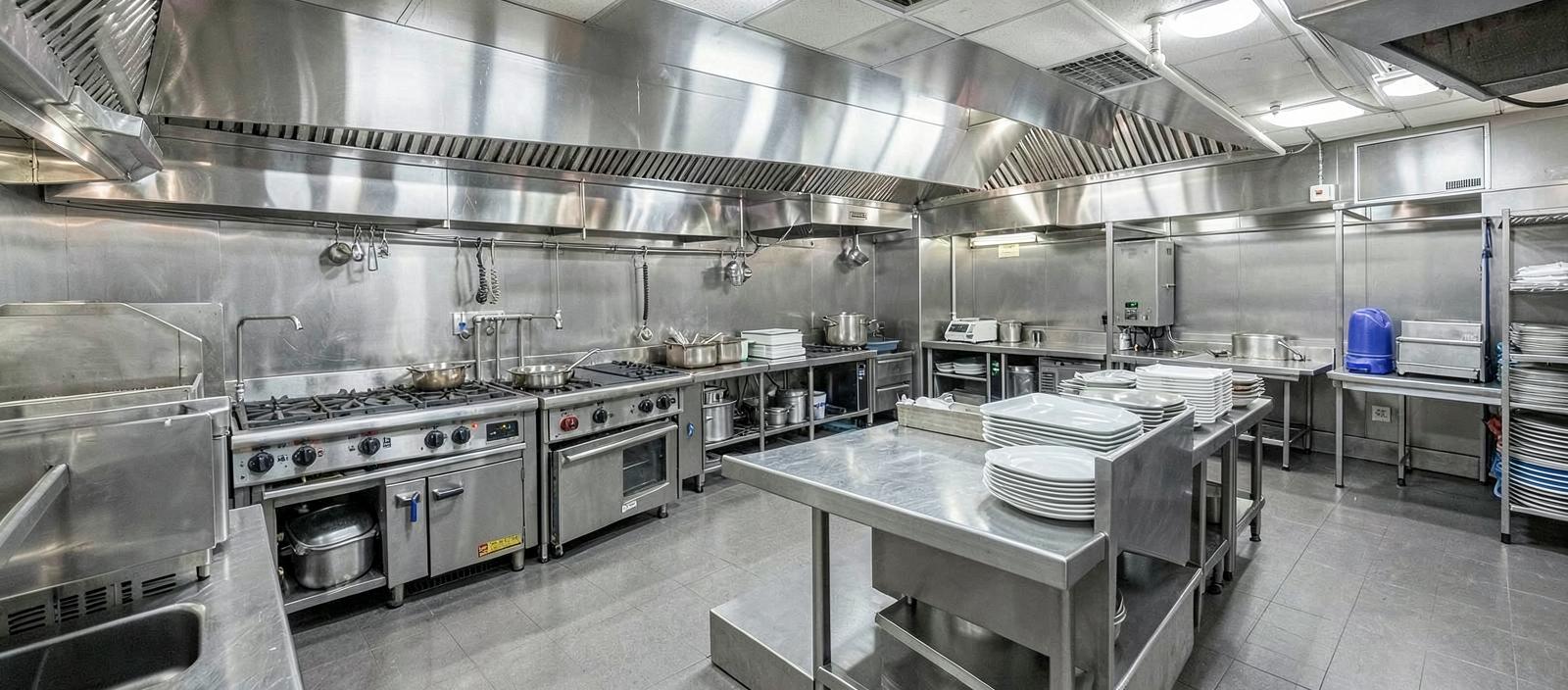
Kitchen Equipment
Cooking, refrigeration, and prep equipment.
Disposables & Packaging
To-go containers, packaging, and single-use items.
Imported Food & Beverage Inputs
Ingredients, beverages, and inputs sourced internationally.
Uniforms & Textiles
Staff apparel, linens, and textile goods.
How recovery works
Our five step process
The path runs through commercial channels, not CBP. The financial analysis is built by Sagemont using purchasing reports, invoices, purchase orders, supply agreements, tariff-related communications, and pricing notices. We map the pass-through, quantify your share, and work with your supplier for the portion of the refund attributable to costs you actually paid.
- 1
Intake & Estimates
Sagemont will analyze a single vendor transaction report, accompanied by all pricing communications from vendors, and provide you with estimates on the tariff recovery per supplier. This is a very light lift for clients.
- 2
Full Tariff Analysis
We pull invoices, purchase orders and vendor contracts to build on the initial analysis and map the exact tariff pass-through per supplier.
- 3
Supplier Communication
We work amicably with your suppliers on your behalf to present the analysis and follow up.
- 4
Methodology Review
Our team will review and validate the supplier's refund calculation and allocation against our analysis.
- 5
Tariff Refund Recovery
Recovered funds flow to you.
Contingency fees
No Recovery. No Fee.
We operate on a 100% contingency fee structure. There are zero upfront costs — if there is no recovery, you owe absolutely nothing.
Schedule a Free Consultation